Research in the Naegele Lab focuses on understanding the functional roles of GABAergic circuits in the hippocampus, a region of the brain vital for forming new memories, how epilepsy is linked to GABAergic interneuron dysfunction, and novel gene and stem cell therapies aimed at correcting deficits in GABAergic neurocircuits. We showed that transplanted fetal or stem cell-derived GABAergic interneurons incorporate into the dentate gyrus of the adult mouse hippocampus and form new inhibitory synapses with granule cells. Optogenetic interrogation of these synapses formed with adult-born granule cells showed that the transplants induce strong post-synaptic inhibitory currents, which may be responsible for suppressing spontaneous seizures in the mouse pilocarpine model of temporal lobe epilepsy. Our recent publications highlight the importance of understanding the cellular and molecular mechanisms governing synaptic integration of transplanted GABAergic interneurons in the dentate gyrus and the effects of neural progenitor transplantation on dendritic arbor growth and complexity. We are also investigating the effects of GABAergic interneuron progenitor transplants on adult neurogenesis in the dentate gyrus, a site of new neuron production throughout life in mammals and how transplantation affects the connectivity of adult-born neurons.

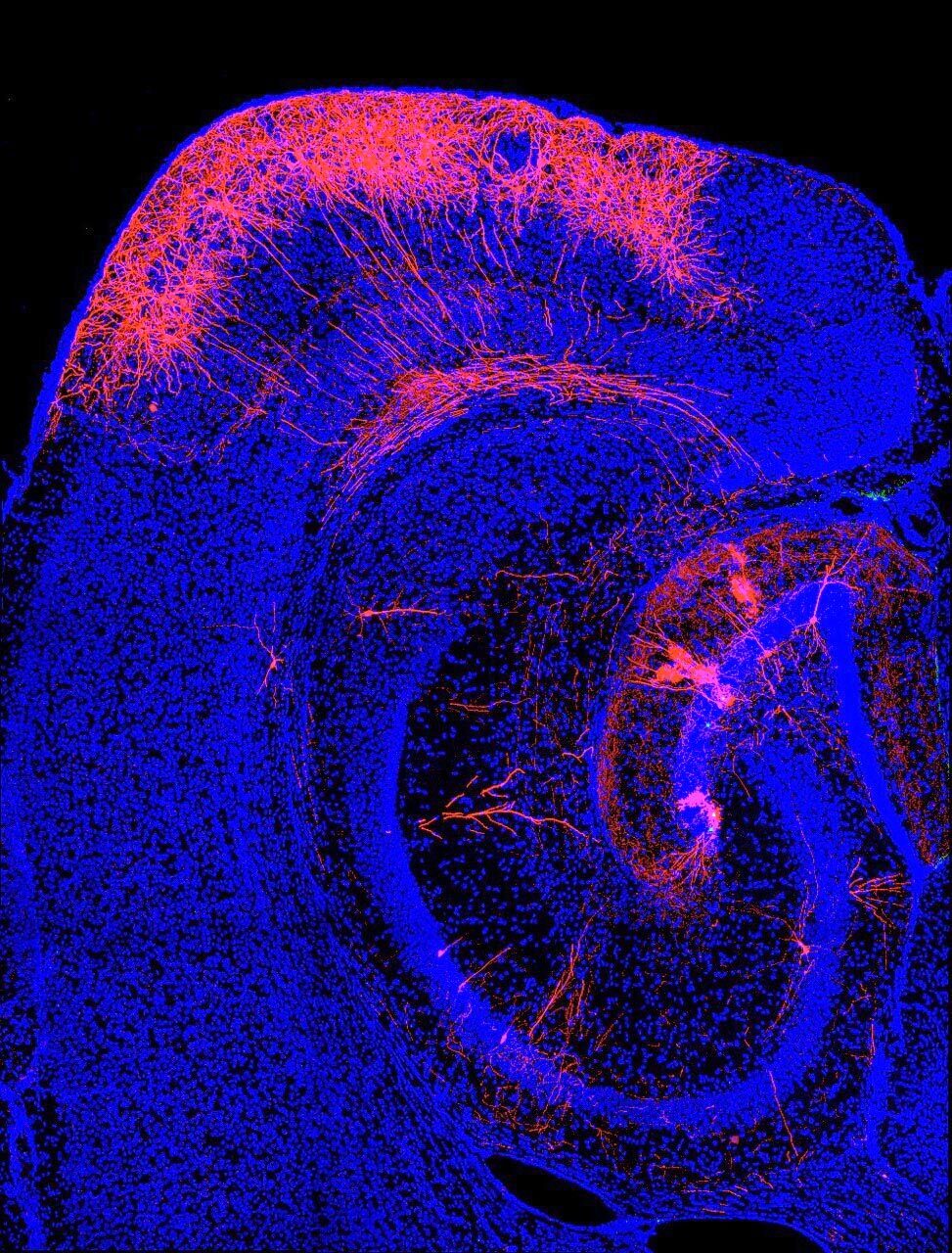
Retroviral labeling of cortical neurons